
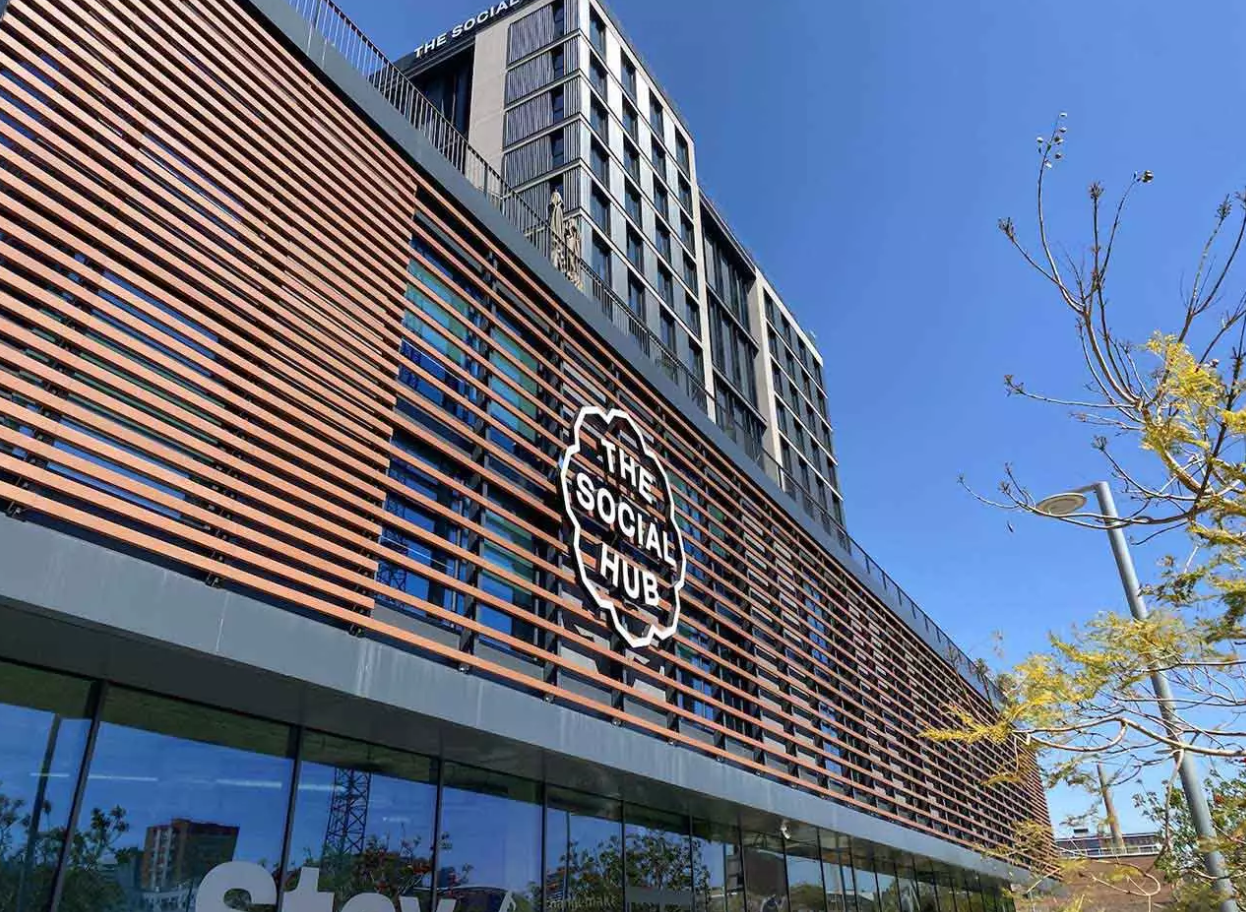
Work has fundamentally changed. Remote flexibility offered liberation from cubicles, yet isolated home offices stripped away the spontaneous interactions that fuel innovation. Hybrid culture demanded new spaces places that balanced autonomy with community. The Social Hub emerged from this need. It isn’t merely a desk rental service. It’s a deliberate reimagining of how professionals collaborate, network, and grow together. European cities now host thriving Social Hub communities where isolation dissolves and unexpected partnerships bloom.
The isolation of remote work created unexpected professional casualties. Spontaneous idea exchanges vanished. Serendipitous mentor relationships never formed. Career growth slowed without ambient learning from adjacent colleagues. Entrepreneurial ventures struggled without access to experienced peers. The Social Hub recognized this paradox: flexibility shouldn’t mean loneliness. Their spaces deliberately engineer connection through thoughtful design, intentional community building, and curated events that attract genuinely interesting people.
Designed For Unplanned Encounters

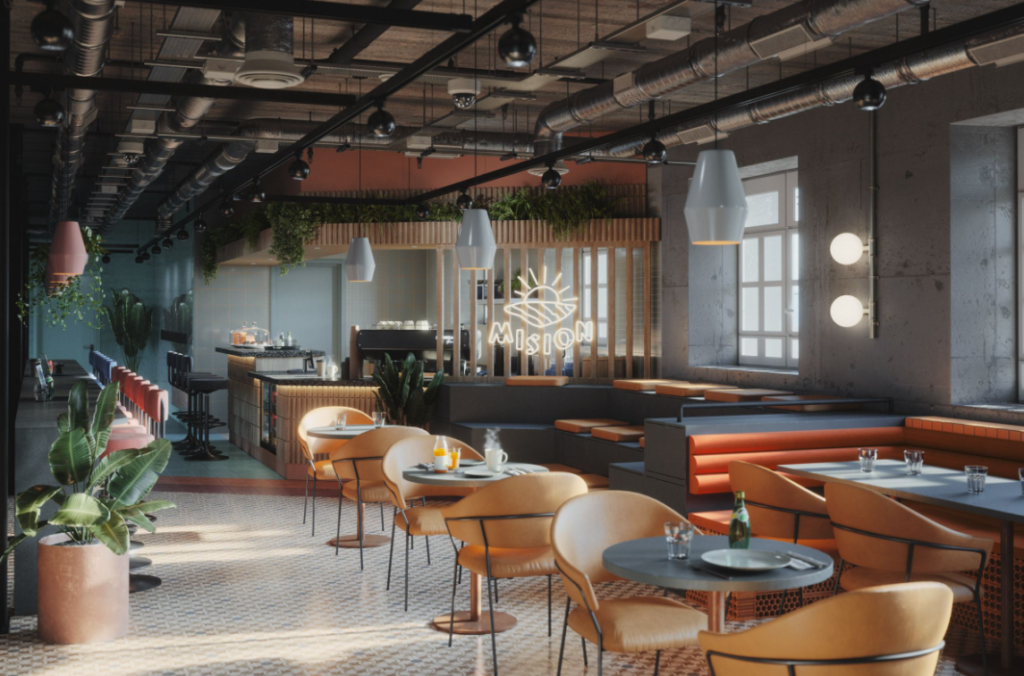
Great ideas rarely emerge from silence. The Social Hub spaces prioritize fluid movement and natural gathering. Open kitchens become conversation hubs. Lounge areas invite informal meetings. Desk arrangements encourage neighboring. This isn’t accidental, it’s deliberate architecture. Corridors position high-traffic pathways to maximize human interaction. Event spaces anchor communities. Social Hub locations feel alive because they’re designed for people to actually encounter each other, not just occupy separate rooms.
Coworking spaces without community become expensive desk rental services. The Social Hub invests heavily in community programming. Weekly events bring members together around shared interests. Industry-specific sessions connect professionals across companies. Networking mixers introduce peers naturally. Skill-sharing workshops foster learning. Member celebrations create genuine friendships. These aren’t forced activities they’re organic extensions of a culture that values connection. Members often report making their closest professional friendships within their Social Hub location.
Flexible Work That Adapts
Rigid membership models ignore modern work complexity. The Social Hub offers flexible options: dedicated desks for those needing consistency, hot desks for flexibility, meeting rooms for client interactions, and private phone booths for confidential calls. Monthly flexibility means commitment without constraint. Freelancers scale usage seasonally. Growing teams find room to expand. Remote workers drop in occasionally without long-term commitment. This adaptability resonates with how professionals actually work today.
Premium spaces deserve premium execution. The Social Hub provides high-speed internet, professional lighting, ergonomic seating, and reliable technology. Meeting rooms feature quality video conferencing. Phone booths offer acoustic isolation. Printing and mail services handle logistics. Kitchens stock quality coffee and snacks. These details seem minor until you’re presenting to clients or participating in critical video calls then they matter intensely. Social Hub members never apologize for their environment.
Location Strategy That Works

Successful coworking requires accessibility. The Social Hub locations sit in vibrant neighborhoods near public transport, restaurants, and cultural venues. Members enjoy natural break-time options without traveling far. Neighborhood integration means the space feels embedded in city life rather than isolated. Proximity to cafes, galleries, and shops creates ecosystem effects. Social Hub locations become neighborhood anchors, not afterthoughts.
Open community requires privacy safeguards. The Social Hub provides private phone booths for confidential calls. Lock-able storage protects valuables. Member verification controls access. Compliant data handling supports regulated industries. Confidentiality protocols enable lawyers, accountants, and consultants to work comfortably. Security infrastructure remains invisible to daily operations members simply trust their environment.
Startup founders often cite isolation as their biggest challenge. The Social Hub spaces attract entrepreneurs who become invaluable peer networks. Unexpected partnerships form. Advice flows freely. Investor introductions happen naturally. Early-stage companies find experienced mentors within the community. The diversity of businesses tech, consulting, creative, finance creates rich cross-pollination. Social Hub communities become ecosystems where startups accelerate.
Corporate Teams Find Their Space
Traditional offices feel overpriced and impersonal. The Social Hub provides growing teams branded dedicated areas within vibrant communities. Employees work with purpose-built setups while accessing shared amenities. Team members encounter diverse professionals daily. Recruitment becomes easier within communities known for attracting talent. Social Hub locations retain employees by offering dynamic environments and genuine community.
Monthly calendars overflow with programming. Industry speakers share expertise. Networking breakfasts connect peers. Wellness sessions reduce burnout. Social celebrations build friendships. Workshops develop new skills. These events transform random professionals into cohesive communities. Attendance remains strong because programming reflects actual member interests. The Social Hub events feel valuable, not obligatory.
Sustainability Built In
Modern professionals care about environmental responsibility. The Social Hub integrates sustainability throughout operations. Renewable energy powers facilities. Waste reduction programs minimize environmental impact. Local sourcing supports communities. Green building practices create healthy spaces. Reduced commuting through local access lowers collective carbon footprint. Sustainability isn’t marketing, it’s operational philosophy
Cost comparison favors flexibility. The Social Hub membership typically costs less than traditional offices while providing superior amenities, community, and experience. Hidden costs disappear. Utilities, internet, facilities management, and event programming included. Long-term contracts aren’t required. Startups avoid capital expense on buildouts. Remote workers eliminate home office overhead. Professional freelancers gain legitimacy. Value extends beyond physical space into community and experience.
A Different Way Forward
The Social Hub represents evolved thinking about work. It acknowledges that humans need autonomy AND community, flexibility AND structure, professional environments AND genuine friendships. Isolation diminishes us. Forced corporate culture restricts us. Dynamic communities elevate us. Discover the difference working within