
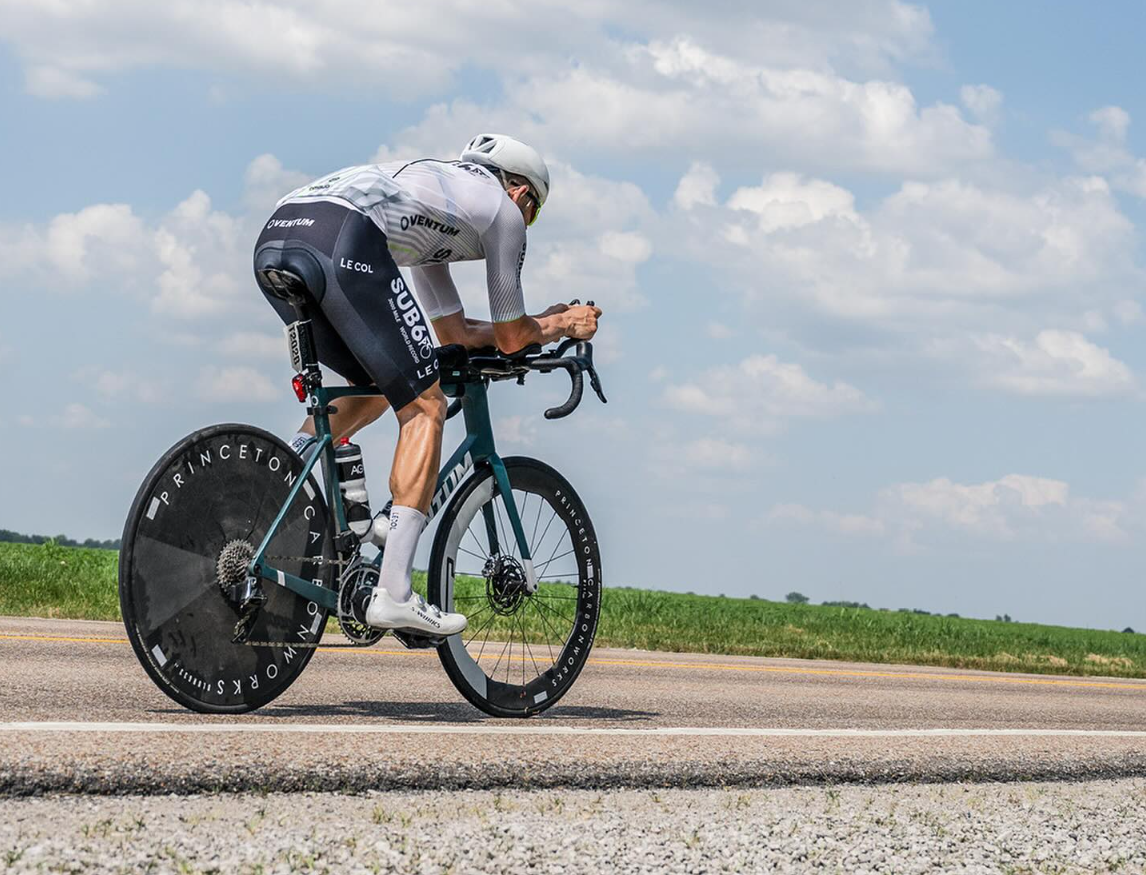
When cyclists debate apparel performance, the conversation inevitably turns to what’s touching their skin. Most riders understand that quality gear matters, but fewer appreciate how material science shapes every pedal stroke. Advanced cycling fabrics do far more than simply cover your body they manage temperature, enhance aerodynamics, and extend the lifespan of your investment. Le Col’s material engineering represents years of development focused on what works in real riding conditions.
The Science Behind Modern Cycling Fabrics
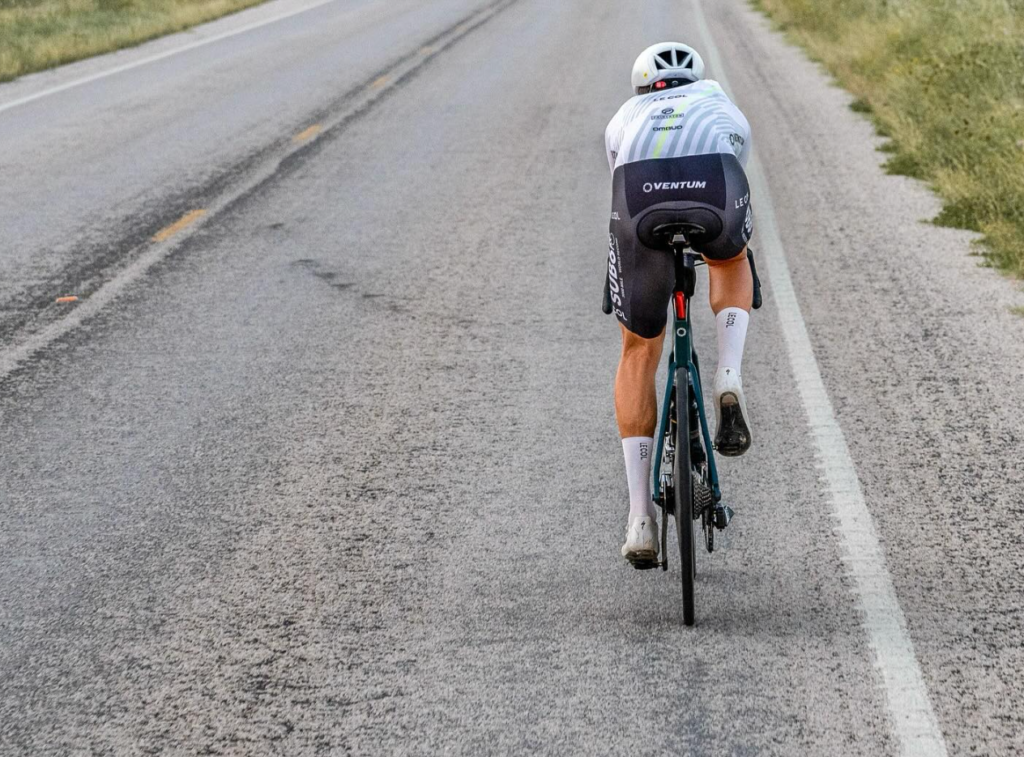
Cycling apparel fabrics have evolved dramatically from the heavy cotton jerseys of decades past. Modern materials combine synthetic fibers in specific ratios to achieve performance characteristics that would have seemed impossible just ten years ago. The base of most premium cycling kits uses polyester, polyamide, or a blend of both. Polyester excels at moisture management it doesn’t absorb water, but rather wicks perspiration away from your skin. Polyamide adds elasticity and durability, allowing the fabric to stretch and recover thousands of times without degrading. Le Col cycling apparel combines these with proprietary blends that balance breathability against wind resistance, critical for riders pushing intensity on road or gravel bikes.
Moisture-Wicking: Keeping You Dry Without Waterlogging
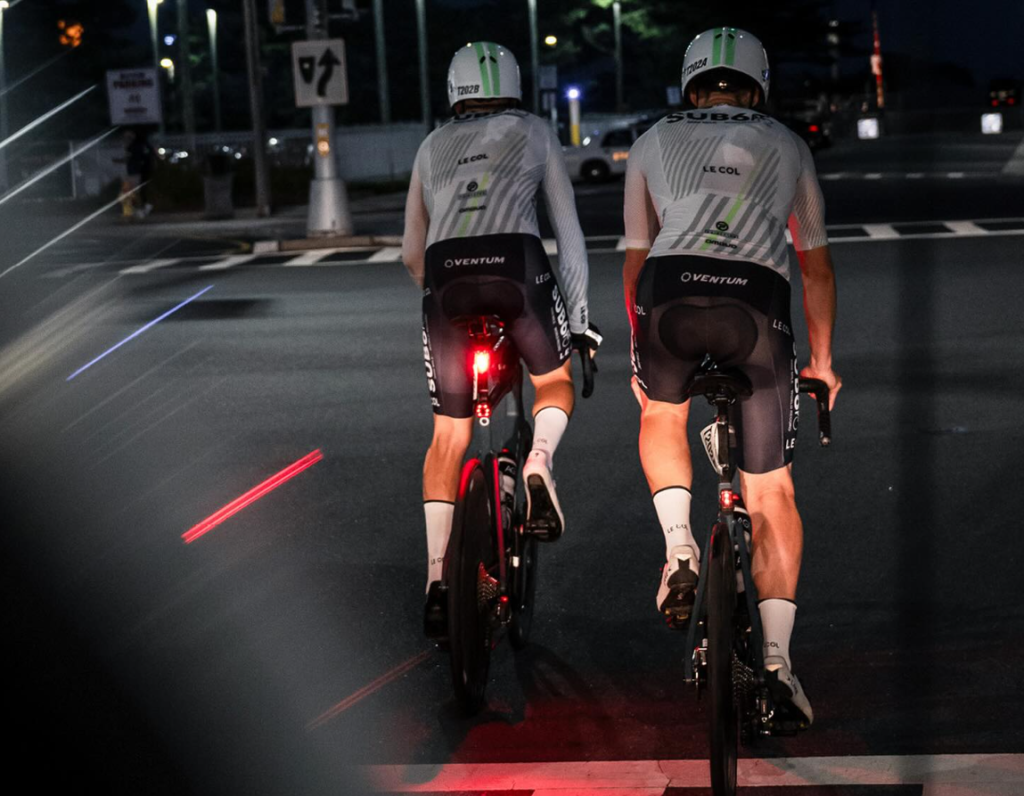
Sweating during cycling is inevitable, but the right fabric makes the difference between uncomfortable and barely noticeable. Moisture-wicking fabrics use capillary action to pull sweat from your skin to the fabric’s outer surface, where it evaporates. This process requires precision engineering: the fibers must be hydrophobic enough to repel liquid, yet arranged loosely enough to allow vapor to pass through. If the weave is too tight, you get a clammy, heavy jersey. Too loose, and wind cuts straight through. Premium cycling jerseys hit this sweet spot by using microfiber construction, where individual strands are split into even finer filaments. These ultrafine fibers create an enormous surface area relative to their weight, dramatically improving both wicking speed and breathability. Le Col’s jersey collection applies this principle across every product category, ensuring that whether you’re climbing in summer heat or grinding through a tempo interval, sweat moves away from your body rapidly.
Aerodynamics Through Fabric Texture and Fit
Serious cyclists know that aerodynamics matter more than raw material cost. What many don’t realize is that fabric texture directly impacts air flow. Smooth, tightly woven fabrics create less turbulence than loose weaves, saving watts over a long ride. Some premium jerseys use micro-texture patterns embedded in the weave these subtle grooves mimic the dimples on a golf ball, actually improving aerodynamic efficiency. The pattern is nearly invisible to the eye, but measurable in a wind tunnel. Equally important is how the fabric hugs your body. Loose apparel flaps in the wind; too tight, and you sacrifice comfort for marginal aerodynamic gains. The engineering balance requires testing at speed, and Le Col’s design process includes real-world testing by professional and elite amateur riders who provide feedback from actual race conditions.
Durability and Longevity in Premium Apparel
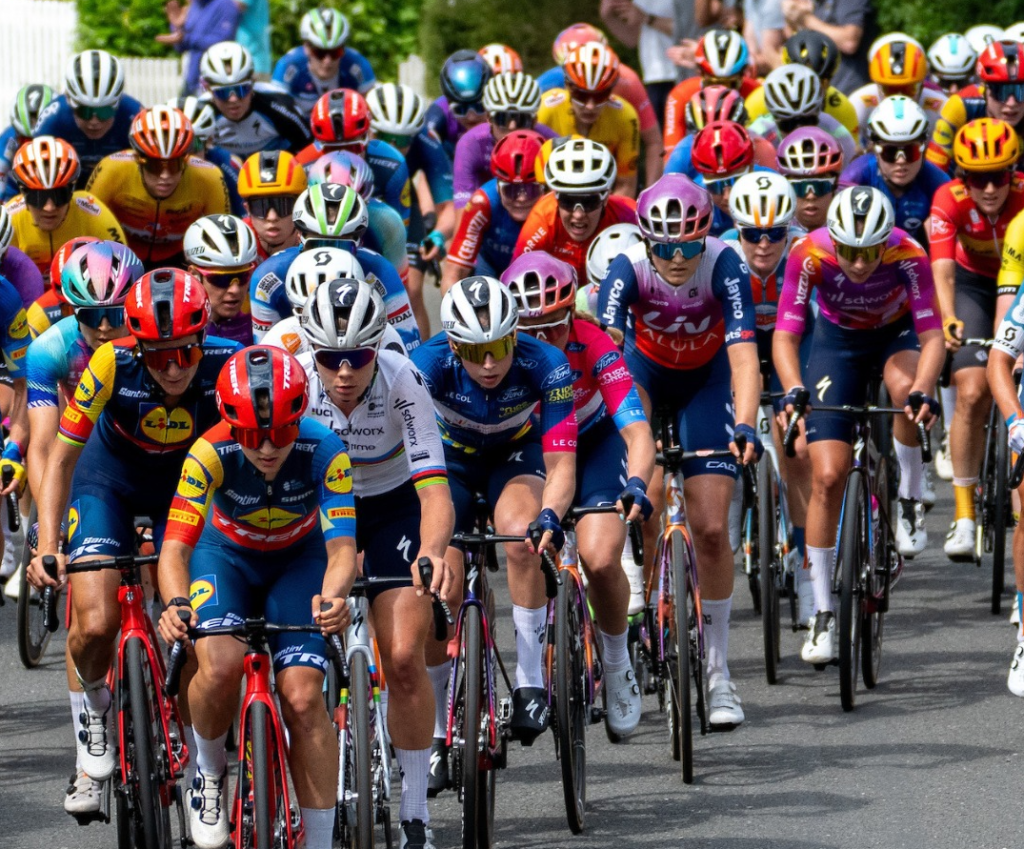
A cycling jersey costing two or three times more than a basic model isn’t just about performance; it’s an investment in durability. Premium fabrics use higher-quality dyes that don’t fade as quickly, and the fiber structure resists pilling and degradation. Seams are reinforced and often flatlock, meaning they sit smooth against your skin and won’t irritate during long rides. Zippers use metal teeth or durable plastic, not cheap nylon that jams or breaks. Hems don’t curl, and elastic waistbands maintain their grip through dozens of washes. Over two or three years of regular riding, a high-quality jersey like those from Le Col will look and perform nearly as well as the day you unboxed it. Budget alternatives often show visible wear after one season.
Temperature Regulation Across Seasons

Different seasons require different fabric strategies. Spring and fall demand versatility temperatures can shift twenty degrees between morning and afternoon. Some fabrics incorporate hollow fibers that trap insulating air pockets without adding bulk, perfect for transitional seasons. Summer requires absolute maximum breathability; winter demands insulation while still managing the moisture your body produces. Merino wool, increasingly popular in cycling apparel, naturally regulates temperature across a wider range than synthetics alone. It also resists odor better than polyester, a significant advantage if you ride multiple times per week. Le Col’s range includes options tailored to each season, with fabric choices matched to expected conditions.
- High-quality fabrics maintain performance through dozens of wash cycles, making them economical long-term.
- Moisture-wicking properties work best when the entire system jersey, shorts, base layer uses compatible technology.
- Aerodynamic benefits accumulate over time; small efficiency gains add up over centuries or multi-day rides.
- Merino wool and synthetic blends each have advantages depending on the season and riding intensity.
- Fit amplifies fabric quality; loose apparel negates the benefits of premium materials.
Understanding what goes into cycling apparel transforms how you shop. You’re no longer just buying color and logos you’re choosing engineered systems designed to keep you comfortable, fast, and dry. Premium fabrics cost more upfront because they perform better and last longer, making them the smarter choice for riders serious about thei