
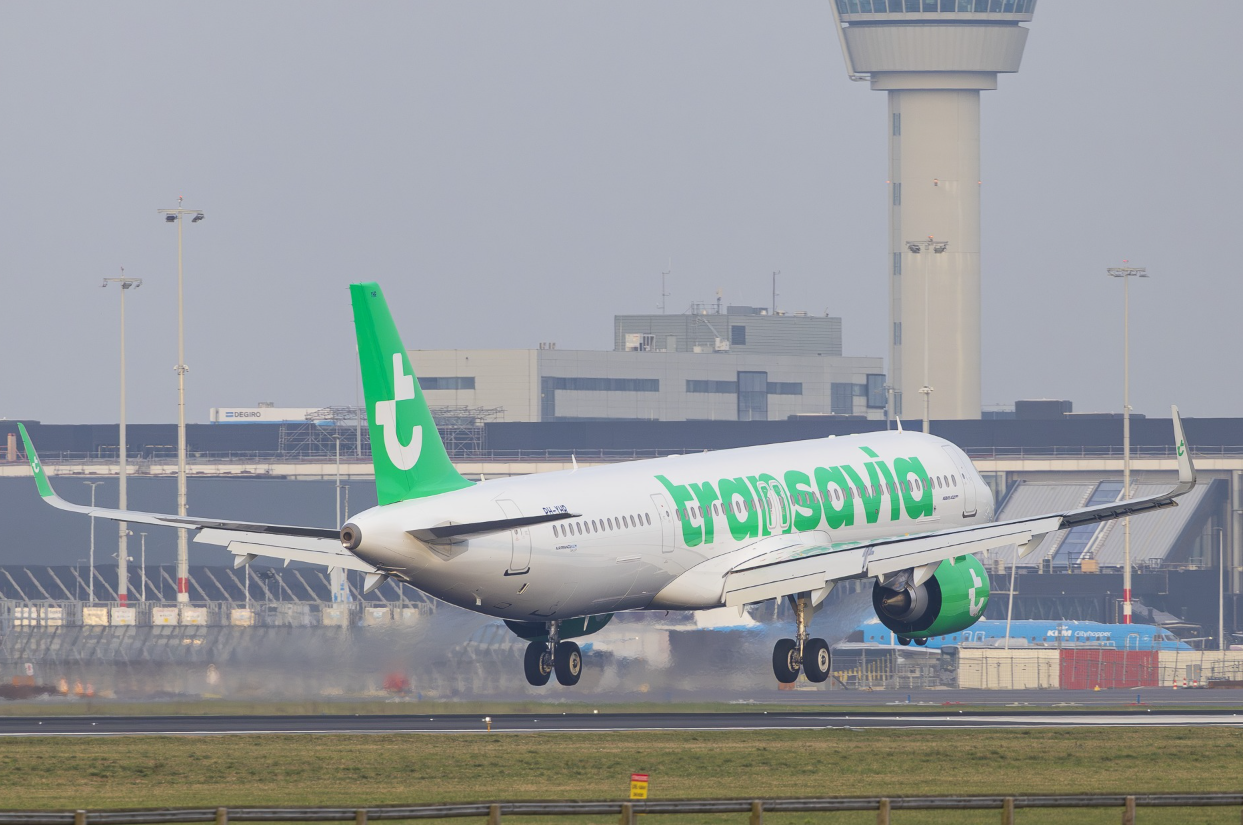
Travel in Europe has changed significantly over the years. What used to be expensive and limited is now more accessible, flexible, and frequent. Transavia plays a key role in that shift, offering low-cost flights that connect travelers to popular destinations without unnecessary complexity.
A Low-Cost Airline with Strong Roots
Transavia is a Dutch low-cost airline and part of the Air France–KLM group, one of the largest aviation groups in the world. Founded in the mid-1960s, the airline has evolved from a small charter operator into a major player in European air travel. Today, it operates from key bases such as Amsterdam, Rotterdam, Eindhoven, and Paris, serving millions of passengers each year.
Being part of a larger airline group gives Transavia a unique position. It combines the efficiency of a low-cost carrier with the infrastructure and experience of a global aviation network.
Focused on Affordable Travel
Transavia’s core offering is simple, affordable flights to a wide range of destinations. The airline focuses primarily on short- and medium-haul routes, connecting travelers to over 100 locations across Europe, North Africa, and parts of the Middle East.
The destinations are largely oriented toward leisure travel. Popular routes include Mediterranean hotspots, city breaks, and seasonal holiday destinations.
This focus allows the airline to streamline its operations and keep ticket prices competitive. Instead of offering multiple classes or complex fare structures, it provides a base fare with optional add-ons such as baggage, seat selection, and onboard services.
A Business Model Built on Flexibility

Like many low-cost airlines, Transavia operates on a model that separates essential services from optional extras.
Passengers can choose a basic ticket for the lowest price and then customize their experience depending on their needs. This might include adding checked luggage, selecting a preferred seat, or purchasing food and drinks onboard.
This flexible approach gives travelers more control over how much they spend. Those who want a simple, budget-friendly trip can keep costs low, while others can enhance their experience with additional services.
A Strong Presence in European Travel
Transavia has built a solid reputation as one of Europe’s leading low-cost carriers, particularly in the Netherlands and France. It is considered the largest holiday airline in the Netherlands and one of the most accessible carriers in the region.
The airline operates hundreds of flights each week and carries millions of passengers annually, making it a significant part of the European travel ecosystem.
Its presence is especially strong in leisure travel, where affordability and frequency are key factors for customers. While flights remain the main focus, Transavia has expanded its offering to include additional travel services. Through partnerships, customers can also book hotels, car rentals, and transfers alongside their flights.
This creates a more complete travel experience, allowing users to organize multiple aspects of their trip in one place.
The integration of these services reflects a broader trend in the travel industry, where airlines are evolving into full-service travel platforms.
Digital Experience and Ease of Use

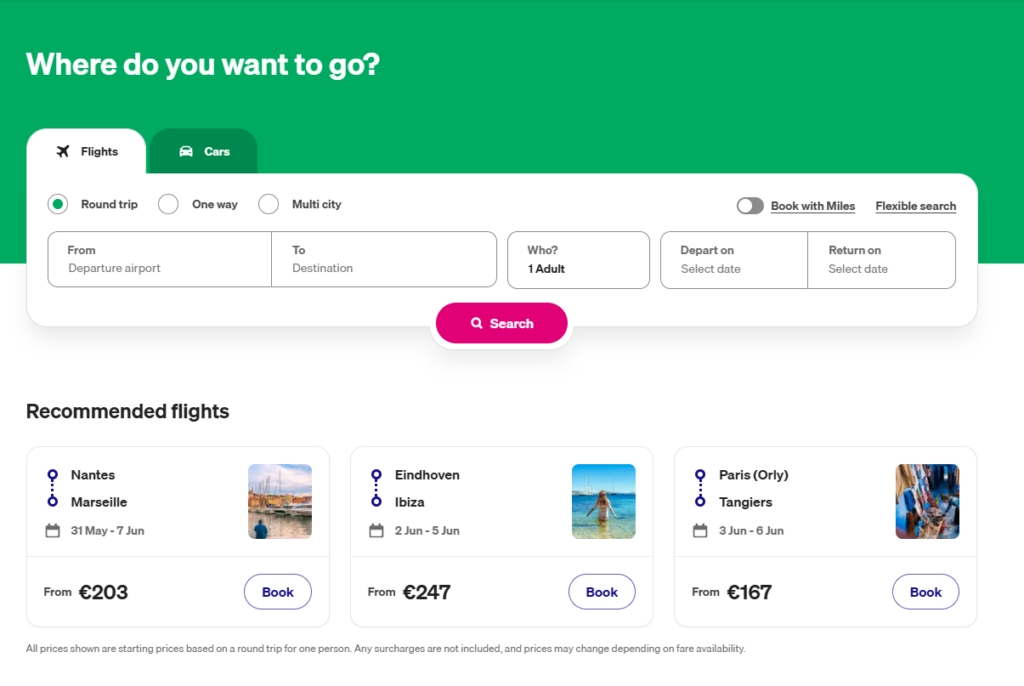
Transavia places a strong emphasis on digital accessibility. Its website and mobile app are designed to simplify booking, check-in, and travel management.
Passengers can easily search for flights, manage bookings, and check flight status online.
This digital-first approach aligns with modern travel habits, where convenience and speed are essential.
By reducing reliance on physical processes and paperwork, the airline creates a smoother experience from booking to boarding.
Sustainability and Industry Challenges

Like all airlines, Transavia operates in an industry facing increasing environmental scrutiny.
The growth of low-cost travel has contributed to a rise in flight frequency, which in turn impacts carbon emissions. At the same time, the airline is working toward improving efficiency through fleet updates and operational changes.
Newer aircraft models and optimized routes are part of broader efforts across the aviation sector to reduce environmental impact while maintaining accessibility.
This balance between affordability and sustainability remains one of the key challenges for the entire industry.
- Travelers looking for affordable flights across Europe
- Holidaymakers heading to Mediterranean or leisure destinations
- Budget-conscious passengers who prefer flexible pricing
- Short-term travelers planning city breaks or weekend trips
- Individuals comfortable with a low-cost, no-frills model
- People who prefer managing bookings online
Transavia stands out by focusing on what most travelers actually need, reliable flights at competitive prices.
It does not aim to compete with full-service airlines on luxury. Instead, it focuses on accessibility, frequency, and simplicity. The combination of a strong route network, flexible pricing, and integration with a major airline group creates a practical travel option for millions of passengers.
A Practical Choice for European Travel
Transavia represents a straightforward approach to flying. It strips travel back to its essentials while still offering the flexibility to customize the experience.
For many travelers, especially those prioritizing cost and convenience, this model works well.
By combining affordability with a wide network of destinations, Transavia continues to play an important role in making travel across Europe more accessible and manageable.